
As the seasons change in Niles, Illinois, your locks and security hardware face different challenges throughout the year. From freezing winters to humid summers, seasonal weather conditions can significantly impact the performance and longevity of your locks. Regular maintenance isn't just about keeping your locks functioning smoothly—it's about protecting your home or business from potential security vulnerabilities and avoiding costly emergency lockouts. In this comprehensive guide, we'll walk you through essential seasonal maintenance tips to keep your locks in optimal condition year-round.
Understanding the Importance of Lock Maintenance
Most property owners rarely think about their locks until something goes wrong. However, locks are mechanical devices that require regular attention to function properly. Just like you maintain your car or HVAC system, your locks need seasonal care to withstand the harsh Illinois weather conditions. Proper maintenance can prevent common issues like frozen locks in winter, corroded mechanisms in summer, and premature wear that leads to security vulnerabilities. By investing a small amount of time in preventive maintenance, you can avoid emergency lockout situations, extend the lifespan of your locks, and ensure your property remains secure throughout the year.
Spring Maintenance: Refreshing Your Locks
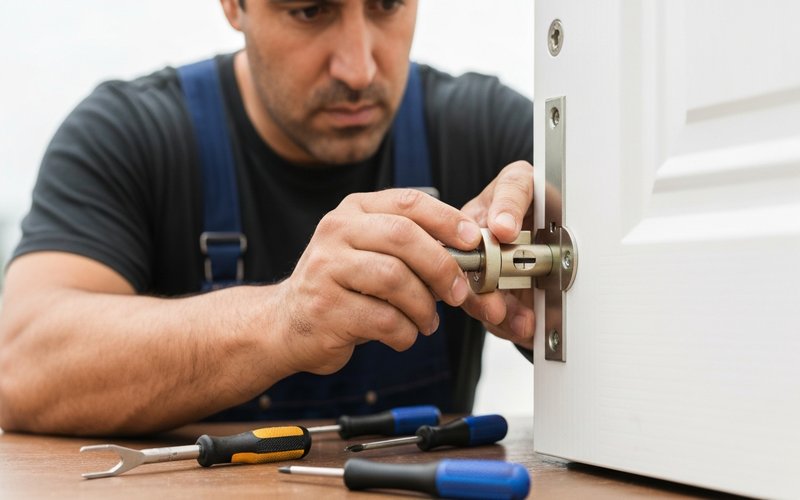
Spring is the perfect time to assess winter damage and prepare your locks for warmer weather ahead. Start by inspecting all exterior locks for signs of moisture damage, rust, or corrosion that may have developed during the winter months. The freeze-thaw cycles common in Niles can cause expansion and contraction in lock mechanisms, potentially creating gaps or misalignments.
Cleaning and Lubrication
Begin your spring maintenance by thoroughly cleaning your locks. Use a soft brush or compressed air to remove dirt, debris, and any residual de-icing salt that may have accumulated around your locks during winter. These contaminants can cause internal components to grind and wear prematurely. After cleaning, apply a graphite-based lubricant specifically designed for locks. Unlike oil-based products like WD-40, which can attract dust and gum up over time, graphite provides long-lasting lubrication without residue buildup.
Key Inspection
Examine all your keys for signs of wear, bending, or damage. Worn keys can damage lock tumblers and increase the risk of breakage inside the lock cylinder. If you notice any keys showing significant wear, have duplicates made before they fail. Spring is also an excellent time to take inventory of who has keys to your property and consider rekeying if necessary.
Summer Maintenance: Protecting Against Heat and Humidity
Summer in Illinois brings high temperatures and humidity that can affect lock performance in unexpected ways. Metal expansion from heat and moisture infiltration can cause locks to stick or operate roughly. This season requires different maintenance strategies to keep your security hardware functioning smoothly.
Addressing Humidity Issues
Humidity can cause internal lock components to rust or corrode, particularly in locks that aren't regularly used. Check all exterior locks, garage locks, and storage shed locks for signs of moisture damage. If you notice any surface rust, gently clean it with fine steel wool and apply a protective lubricant. Consider installing weather-resistant lock covers on exposed exterior locks to provide additional protection.
Testing Door Alignment
Heat and humidity can cause wooden doors and frames to swell, affecting how well your locks align with strike plates. If you notice your locks becoming harder to engage or requiring extra force to lock, the problem may not be the lock itself but door alignment. Check that strike plates are properly aligned and adjust if necessary. Misalignment puts unnecessary stress on lock mechanisms and can lead to premature failure.
Fall Maintenance: Preparing for Winter
Fall is your opportunity to prepare your locks for the challenging winter months ahead. This preventive maintenance season is crucial for avoiding frozen locks and cold-weather lockouts that are common in the Niles area.
Weatherproofing Strategies
Inspect all exterior locks and deadbolts for adequate weather protection. Check that door sweeps and weatherstripping are intact and creating proper seals. Replace any damaged weatherstripping that could allow moisture to reach lock mechanisms. Consider installing lock covers or shields on locks that are particularly exposed to the elements.
Preventive Lubrication
Apply a cold-weather appropriate lubricant to all exterior locks before temperatures drop. A graphite-based or silicone-based lubricant works best for winter conditions. Avoid using WD-40 or other petroleum-based products in locks, as these can thicken in cold weather and actually make locks harder to operate. Pay special attention to car door locks, garage locks, and any outdoor storage locks that may be exposed to freezing temperatures.
Testing and Exercising Locks
Regularly operate all locks throughout the fall to ensure they're moving freely. Locks that sit unused for extended periods are more likely to freeze or malfunction when you need them most. If you have locks you rarely use, make it a habit to cycle them weekly to keep internal components moving.
Winter Maintenance: Managing Freezing Conditions
Winter presents the most challenging conditions for locks in the Niles area. Freezing temperatures, ice, and snow can cause locks to freeze solid, leaving you locked out in dangerous cold conditions.
Dealing with Frozen Locks
If you encounter a frozen lock, never force it open, as this can break your key or damage internal components. Instead, use a lock de-icer spray or carefully warm your key with a lighter before inserting it into the lock. You can also use a hair dryer to gently warm the lock cylinder. Keep a lock de-icer in your car or bag during winter months for emergency situations.
Snow and Ice Management
After snowstorms, clear away snow and ice from around door locks and handles. Ice buildup can prevent proper lock engagement and allow moisture to seep into mechanisms. If you use de-icing salt on walkways, be careful not to get it directly on locks, as salt accelerates corrosion.
Regular Winter Checks
During winter, check your locks more frequently than other seasons. Test them weekly to ensure they're operating smoothly. If you notice any stiffness or resistance, address it immediately before the problem worsens. Keep backup entry methods available, such as ensuring at least one family member has a working key and considering smart lock options for keyless entry.
What Maintenance Does a Locksmith Do?
Professional locksmith maintenance goes beyond what most property owners can accomplish on their own. A qualified locksmith performs comprehensive assessments of your entire security system, identifying potential vulnerabilities before they become problems. During a professional maintenance visit, a locksmith will disassemble lock cylinders to clean and lubricate internal components, check for worn springs and pins, verify proper alignment of strike plates and latches, test key operation and make adjustments as needed, and recommend replacements for locks showing significant wear.
Professional locksmiths also have specialized tools and expertise to detect issues that aren't visible during casual inspection. They can identify locks that are approaching the end of their service life, recommend security upgrades, and ensure your locks meet current insurance and building code requirements. Annual or bi-annual professional maintenance is an excellent complement to your seasonal DIY maintenance routine.
Should I Use Graphite or WD-40 in My Locks?
This is one of the most common questions property owners ask, and the answer is clear: use graphite or silicone-based lock lubricants, not WD-40. While WD-40 is an excellent product for many applications, it's not ideal for locks. WD-40 is a solvent-based product that can initially help a sticky lock by cleaning out debris, but it leaves behind a residue that attracts dust and dirt. Over time, this creates a gummy buildup that makes lock problems worse.
Graphite powder or graphite-based spray lubricants are specifically formulated for locks. They provide smooth lubrication without attracting contaminants. Dry lubricants like graphite won't gum up in cold weather or break down in heat. Silicone-based lubricants are another good option, particularly for exterior locks exposed to weather. They repel moisture while providing excellent lubrication in all temperature ranges.
When applying lubricant, use it sparingly. A little goes a long way, and over-lubrication can attract more dirt than it prevents. Apply a small amount to the key and insert it several times, or use a precision applicator to apply directly into the keyway.
Specialized Lock Types and Their Seasonal Needs
Smart Locks and Electronic Systems
Smart locks and electronic access systems require different seasonal maintenance than traditional mechanical locks. Check batteries at the beginning of each season, as cold weather can drain batteries faster. Keep battery backup supplies on hand. Verify that electronic components are adequately protected from moisture and temperature extremes. Update firmware regularly to ensure optimal performance and security. Clean fingerprint readers and touchpads to maintain sensitivity.
Commercial Grade Locks
Commercial properties in Niles often have high-security locks that require specialized attention. These locks may have more complex mechanisms that benefit from professional seasonal maintenance. High-traffic commercial locks experience more wear and may need more frequent service. Consider quarterly professional inspections for commercial properties to ensure security compliance and prevent lockouts that could disrupt business operations.
Automotive Locks
Car door and trunk locks need seasonal attention too. These locks are particularly vulnerable to freezing in winter and often lack the weather protection of building locks. Keep lock de-icer in your home rather than your car. Apply silicone spray to door seals to prevent freezing. Have a spare key that you can store securely outside your vehicle.
Which Keys Cannot Be Copied?
Understanding key copy restrictions is important for seasonal maintenance planning. Several types of keys have copy restrictions for security reasons:
Patented high-security keys have legal restrictions that prevent unauthorized duplication. These keys can only be copied by authorized dealers with proof of ownership. Restricted keyways are controlled by manufacturers and require authorization for duplication. "Do Not Duplicate" marked keys carry a request not to copy, though this isn't legally enforceable in all jurisdictions—the restriction depends on the locksmith's willingness to honor it. Electronic and transponder keys contain chips that require programming equipment and often dealer authorization. Government and institutional keys often have strict copy restrictions for security purposes.
If you have restricted keys, plan ahead for seasonal needs. Have appropriate backup keys made during authorized service visits rather than waiting for an emergency. During seasonal maintenance, verify that all authorized users have functioning copies of necessary keys.
Creating Your Seasonal Maintenance Schedule
Consistency is key to effective lock maintenance. Create a simple schedule that fits your lifestyle:
Spring (March-May): Deep clean all locks, inspect for winter damage, replace worn keys, schedule professional inspection if needed, test all locks and make necessary adjustments.
Summer (June-August): Check for humidity damage, verify weather protection, test door alignment, lubricate as needed, inspect outdoor locks for UV damage.
Fall (September-November): Weatherproof all exterior locks, apply cold-weather lubricant, check weatherstripping and seals, prepare de-icing supplies, test backup entry methods.
Winter (December-February): Monitor for freezing issues, keep locks clear of snow and ice, test locks weekly, address any stiffness immediately, maintain de-icing supplies.
Signs Your Locks Need Professional Attention
While seasonal maintenance can prevent many problems, some issues require professional locksmith services. Contact a professional if you notice keys that are increasingly difficult to turn or remove, locks that don't fully engage or feel loose, visible damage to lock cylinders or hardware, keys that have broken off in locks, recent break-in attempts or vandalism, locks that are more than 10-15 years old, or recurring problems despite regular maintenance.
Delaying professional service can turn minor issues into major security vulnerabilities or expensive emergency situations. A professional assessment can often identify and resolve problems quickly and affordably.
Conclusion: Protecting Your Investment Year-Round
Your locks are your first line of defense against unauthorized entry, and they deserve regular attention throughout the year. By following these seasonal maintenance tips, you'll extend the life of your locks, prevent inconvenient lockouts, maintain optimal security, and avoid costly emergency repairs. The few minutes you invest in seasonal lock maintenance can save you hours of frustration and hundreds of dollars in emergency service calls.
At Niles IL Locksmith, we understand the unique challenges that Illinois weather presents for lock systems. Whether you need professional maintenance, emergency lockout service, or security upgrades, our experienced team is here to help. Located at 8598-8400 N Oleander Ave, Niles, IL 60714, we're your local lock security experts. Don't wait for a lockout or security failure to address your lock maintenance needs. Call us today at (847) 242-8995 for a free consultation and let us help you develop a comprehensive seasonal maintenance plan tailored to your property's specific needs. Your security is our priority, every season of the year.